
Understanding the Latest Trends in Freight Logistics


Introduction to Freight Logistics Trends
The freight logistics industry is evolving at an unprecedented pace, driven by technological advancements, changing consumer demands, and global economic shifts. Staying updated with the latest trends is crucial for businesses to remain competitive and efficient in their operations.

Technology-Driven Innovations
One of the most significant trends in freight logistics is the integration of technology. With the rise of automation and artificial intelligence, companies are streamlining operations and enhancing supply chain efficiency. Automated systems are now managing everything from inventory tracking to route optimization.
Additionally, the use of blockchain technology is transforming the way information is shared across the supply chain. This technology ensures data is secure and transparent, reducing fraud and errors, and increasing trust among stakeholders.
Internet of Things (IoT) in Logistics
The Internet of Things (IoT) is another key trend revolutionizing freight logistics. By connecting devices and systems, IoT provides real-time data and analytics, allowing companies to monitor shipments, predict maintenance needs, and improve overall efficiency. This connectivity leads to better decision-making and resource management.

Sustainability and Environmental Concerns
As environmental awareness grows globally, the logistics industry is under pressure to adopt sustainable practices. Companies are investing in green technologies and eco-friendly transportation solutions to reduce carbon footprints and comply with regulatory standards.
Electric and hybrid vehicles are becoming more common in fleets, and there's an increasing focus on optimizing routes to minimize fuel consumption. This shift not only benefits the environment but also leads to cost savings in the long term.
Renewable Energy in Warehousing
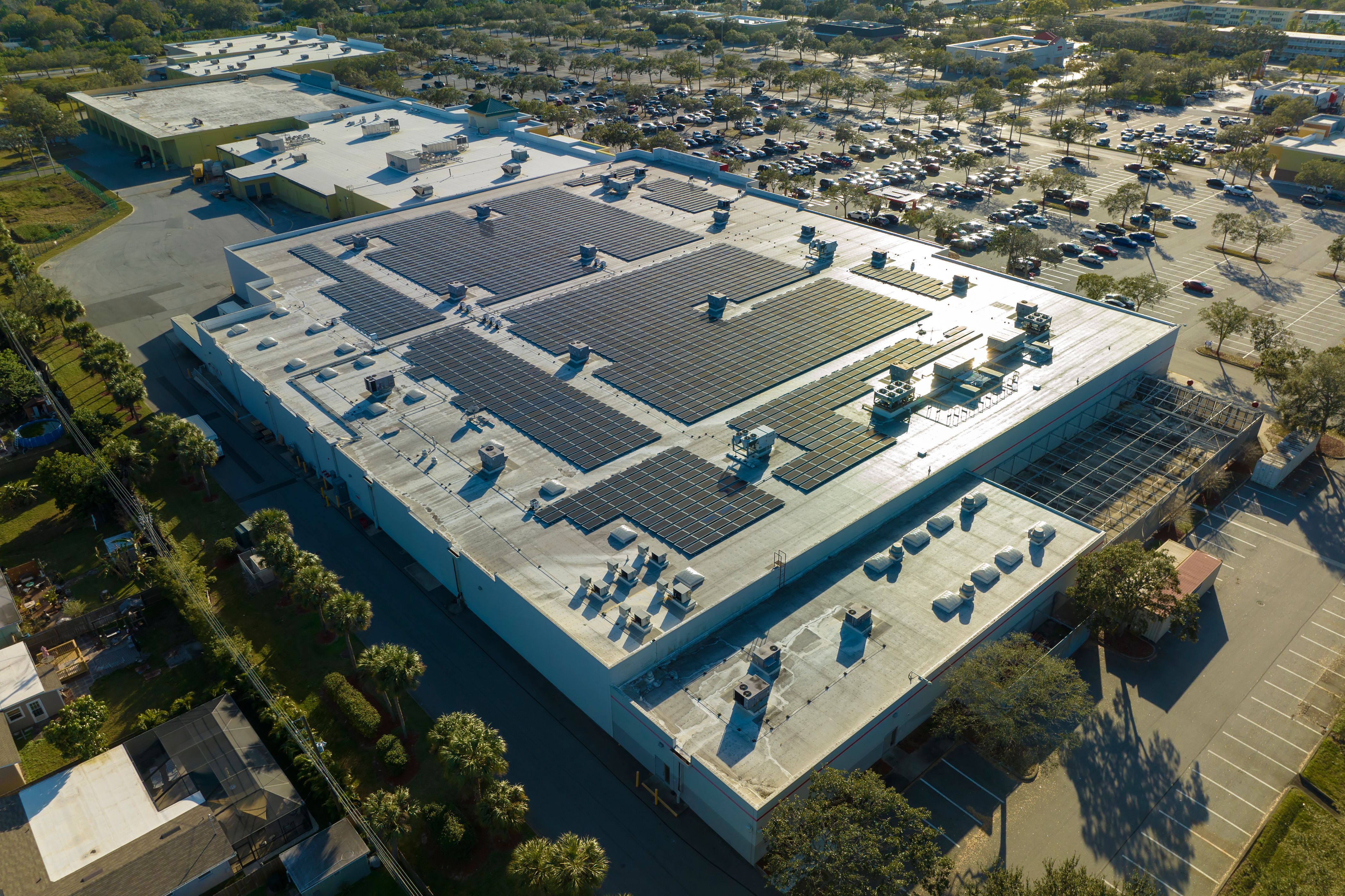
Warehousing is also seeing a move towards sustainability with the adoption of renewable energy sources such as solar and wind power. These practices are reducing dependency on traditional energy sources and cutting operational costs.
Globalization and Market Expansion
Globalization continues to shape the freight logistics landscape, with businesses expanding into new markets and regions. This trend requires logistics providers to offer more flexible and diversified services to meet varied customer needs across different geographies.
Furthermore, understanding local regulations and cultural nuances becomes essential to successfully navigate new markets. Companies that adapt quickly to these changes are better positioned to capitalize on global opportunities.
Challenges of Cross-Border Logistics
While globalization offers opportunities, it also presents challenges, particularly in cross-border logistics. Managing customs regulations, tariffs, and compliance across multiple countries can be complex and requires expertise and strategic planning.
Conclusion
The freight logistics industry is at the forefront of transformation, driven by technology, sustainability, and globalization. By embracing these trends, companies can enhance their operational efficiency, reduce costs, and build a more resilient and sustainable supply chain.
Staying informed and adaptable is key to thriving in this dynamic landscape, as the industry continues to evolve and respond to emerging challenges and opportunities.