
Understanding Freight Regulations: A Complete Guide


Introduction to Freight Regulations
Understanding freight regulations is crucial for businesses involved in the transportation of goods. These rules ensure safety, efficiency, and environmental responsibility in the logistics industry. Whether you're a seasoned professional or new to the field, grasping these regulations can significantly impact your operations.

Why Freight Regulations Matter
Freight regulations are essential to maintain the integrity of the supply chain. They help in minimizing risks, ensuring compliance with legal standards, and promoting fair competition. By adhering to these rules, businesses can avoid costly fines and delays.
Key Benefits of Compliance
Compliance with freight regulations offers several advantages. It enhances the reputation of your business, improves customer satisfaction, and reduces operational risks. Moreover, it can lead to smoother international trade by aligning with global standards.

Types of Freight Regulations
Freight regulations are categorized based on various factors such as transportation mode, type of goods, and geographical regions. Understanding these categories helps in applying the correct rules to your operations.
Transportation Modes
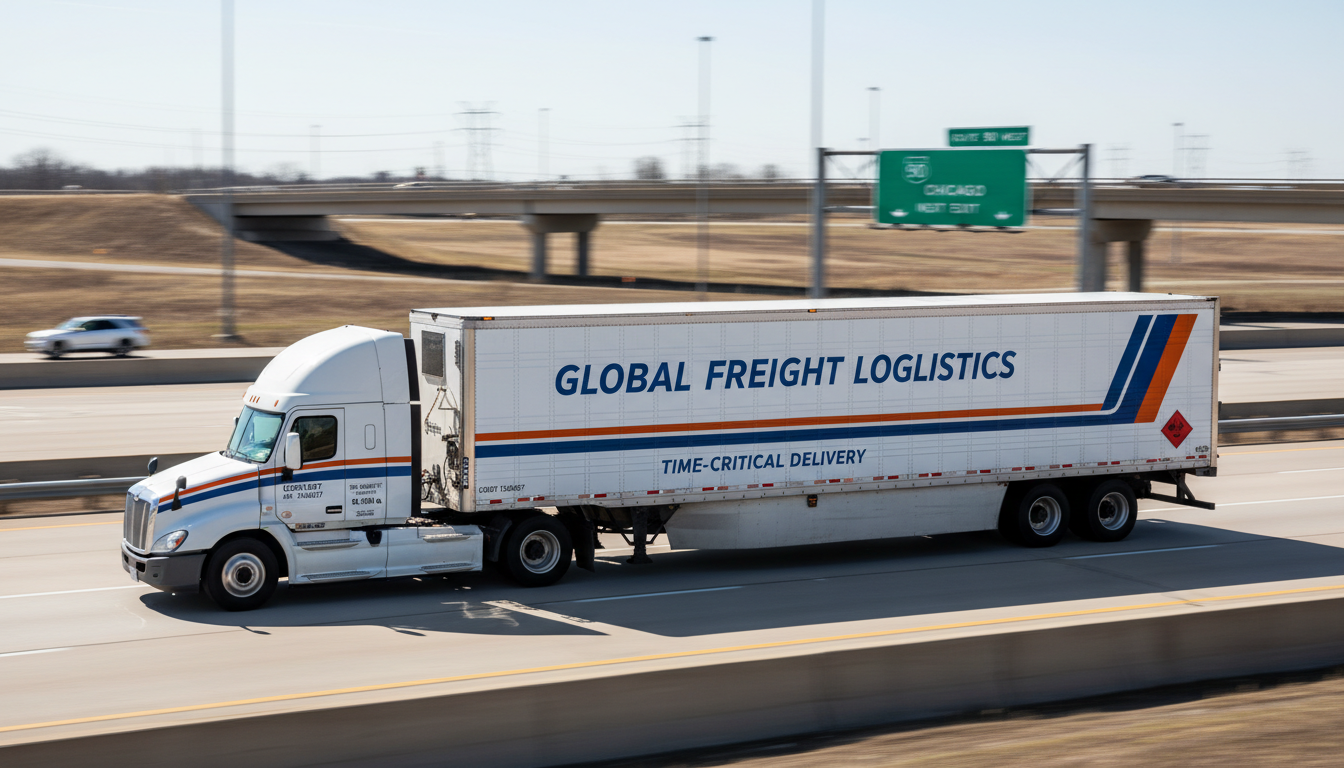
Regulations differ for road, rail, air, and sea transport. Each mode has specific requirements related to vehicle standards, driver qualifications, and cargo handling. Knowing these distinctions is vital for compliance.
Understanding Documentation Requirements
Documentation is a critical aspect of freight regulations. Proper paperwork ensures legal compliance and smooth transit. Key documents include the bill of lading, commercial invoice, and packing list.
Importance of Accurate Documentation
Accurate documentation facilitates customs clearance and reduces the likelihood of errors that may lead to delays. Ensuring all paperwork is complete and correct is a fundamental part of regulatory compliance.
Environmental Regulations in Freight
With increasing focus on sustainability, environmental regulations play a significant role in freight operations. These rules aim to reduce emissions and promote eco-friendly practices.
- Emissions standards for vehicles
- Waste management protocols
- Energy efficiency requirements

Conclusion
Freight regulations are an integral part of the logistics industry. By understanding and adhering to these rules, businesses can ensure safe, efficient, and sustainable transportation. Staying informed and compliant not only protects your business but also contributes to a more reliable and responsible global supply chain.