
Top FAQs About Freight Transportation Answered


Understanding Freight Transportation
Freight transportation is a vital component of global commerce, enabling the movement of goods from manufacturers to consumers. Whether you're a business owner or a curious consumer, understanding the intricacies of freight transportation can be beneficial. In this post, we’ll address some of the most frequently asked questions about freight transportation.
What Are the Different Modes of Freight Transportation?
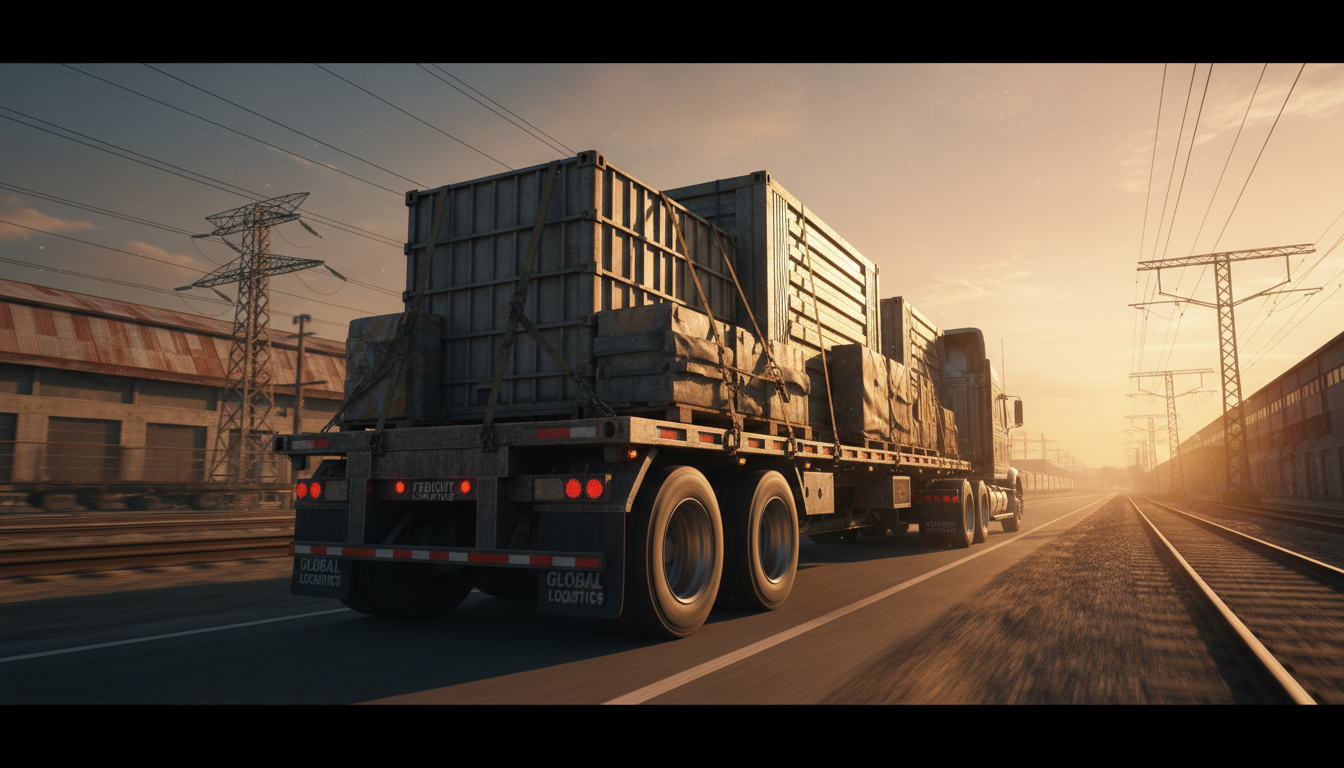
Freight transportation primarily involves four modes: road, rail, air, and sea. Each mode has its own advantages and is suitable for different types of goods and distances.
- Road: Ideal for short to medium distances, offering flexibility and door-to-door service.
- Rail: Cost-effective for long distances, especially for heavy and bulk goods.
- Air: Fastest option, perfect for high-value or time-sensitive shipments.
- Sea: Best for international shipping of large quantities at a lower cost.
How Is Freight Cost Calculated?
Freight cost is influenced by several factors, including the mode of transportation, distance, weight, and volume of the cargo. Additionally, surcharges such as fuel costs and handling fees can add to the total expense.
What Is Freight Forwarding?
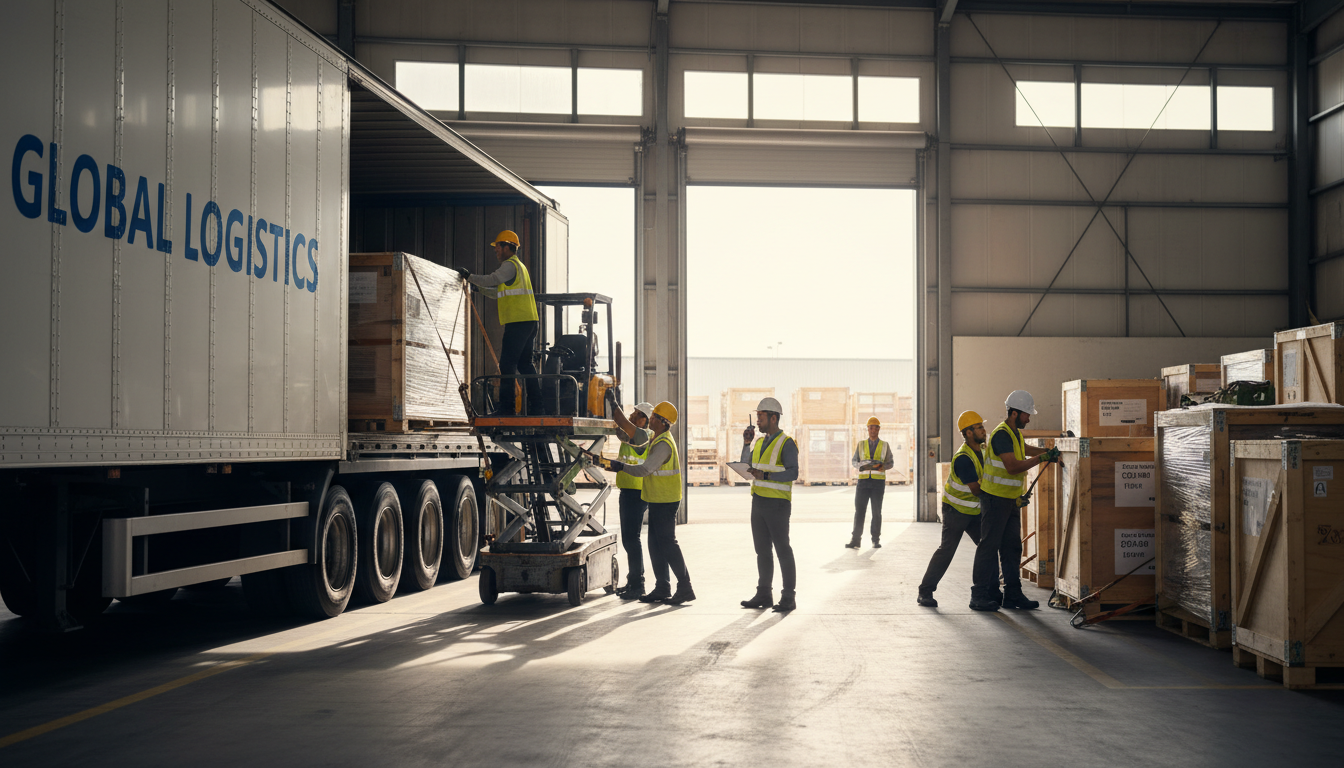
Freight forwarding is a service used by companies to organize the shipment of goods from one destination to another. Freight forwarders handle logistics, documentation, and customs clearance, ensuring a smooth transition through each stage of the supply chain.
What Are Incoterms?
Incoterms, or International Commercial Terms, are a set of rules that define the responsibilities of sellers and buyers for the delivery of goods under sales contracts. Common Incoterms include EXW (Ex Works), FOB (Free On Board), and CIF (Cost, Insurance, and Freight).
How Do Customs Procedures Affect Freight Transportation?
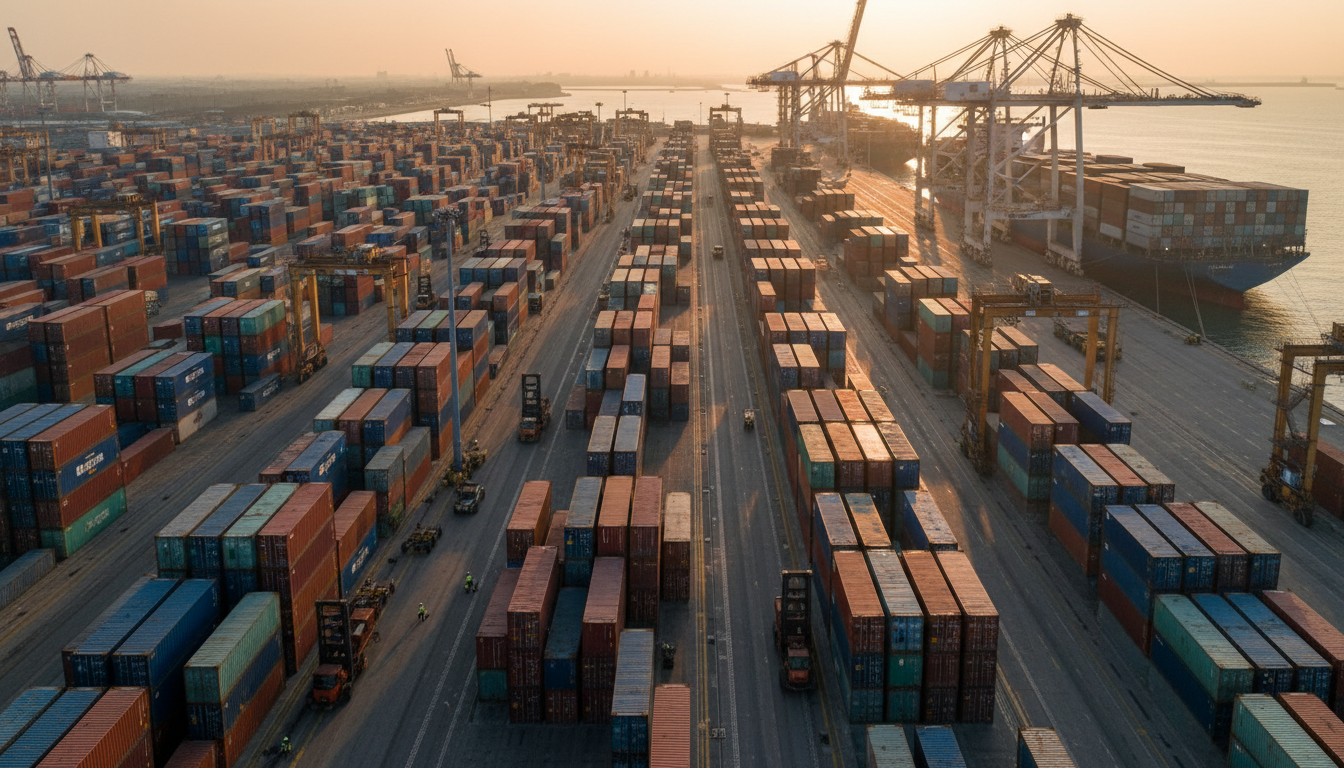
Customs procedures can significantly impact freight transportation, especially in international shipping. Proper documentation is crucial for avoiding delays and penalties. Freight forwarders often assist with navigating these regulations.
What Is the Role of Technology in Freight Transportation?
Technology plays a critical role in modern freight transportation. Innovations such as GPS tracking, automated warehousing, and digital documentation have streamlined operations, improving efficiency and reducing costs.

How Can Businesses Choose the Right Freight Provider?
Choosing the right freight provider involves considering factors like reliability, cost, service quality, and coverage. Businesses should evaluate providers based on their specific needs and the nature of goods being transported.
Conclusion
Freight transportation is a complex but essential part of global trade. By understanding the basics, businesses and consumers can make informed decisions, ensuring efficient and cost-effective shipping solutions. Whether you're shipping domestically or internationally, knowing these key aspects can greatly enhance your logistics strategy.