
The Ultimate Guide to Freight Logistics: What You Need to Know


Understanding Freight Logistics
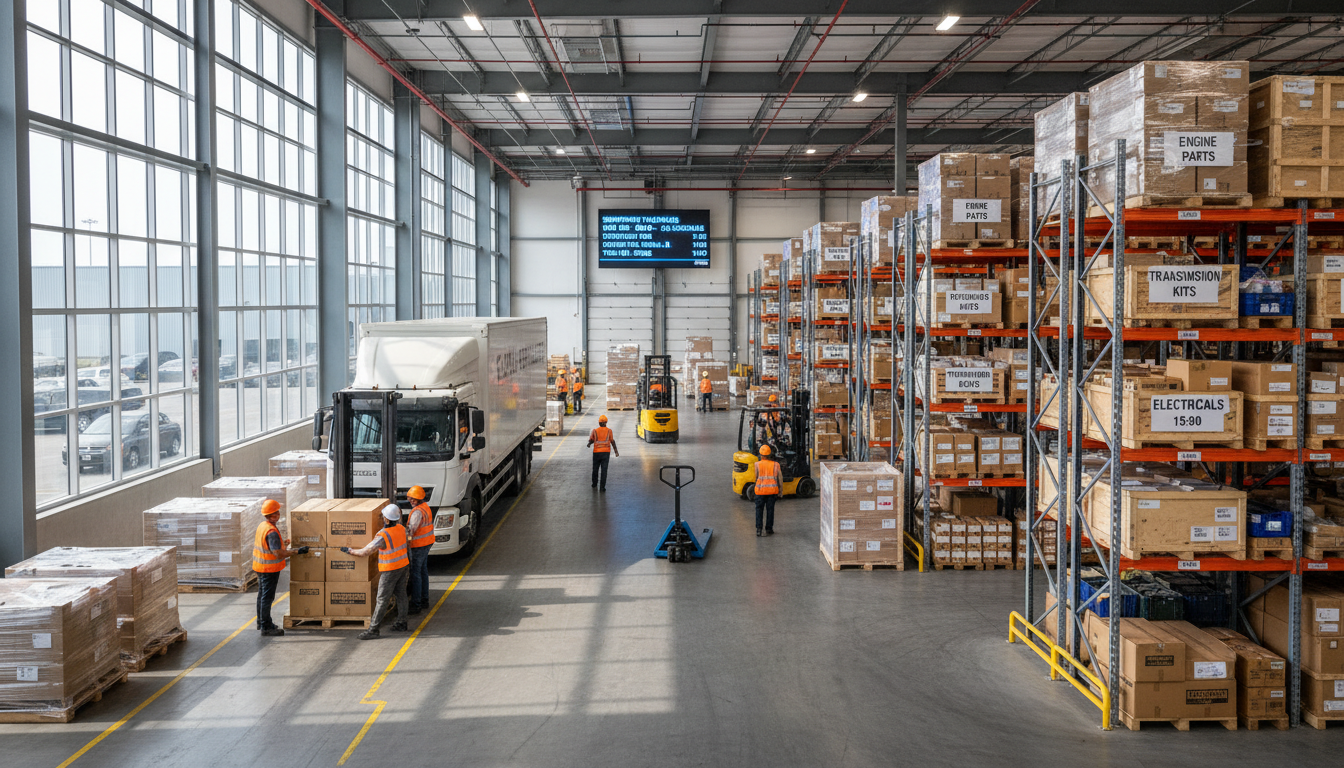
Freight logistics is a complex and essential component of the global supply chain, involving the transportation and storage of goods. Whether you're a business owner or someone interested in logistics, understanding the fundamentals is crucial. This guide will provide you with an overview of the key aspects of freight logistics.
Types of Freight Transportation
There are several modes of freight transportation, each with its own advantages and disadvantages. The main types include:
- Road Freight: Ideal for short to medium distances, offering flexibility and cost-effectiveness.
- Rail Freight: Suitable for heavy and bulk shipments over long distances.
- Air Freight: Best for high-value and time-sensitive goods, albeit at a higher cost.
- Sea Freight: Perfect for large volumes of goods, providing the most economical option for international shipping.
Key Players in Freight Logistics
Freight logistics involves multiple stakeholders, each playing a vital role in the process. These include:
- Shippers: Individuals or companies sending the cargo.
- Carriers: Companies that transport goods via road, rail, air, or sea.
- Freight Forwarders: Entities that organize shipments and manage logistics.
- Customs Brokers: Specialists who ensure that goods comply with import and export regulations.

The Importance of Technology in Freight Logistics
Technology has revolutionized freight logistics, making it more efficient and transparent. Modern logistics relies heavily on:
- Tracking Systems: Real-time tracking provides visibility and helps in managing supply chains effectively.
- Automated Processes: Automation reduces errors and speeds up operations, from documentation to inventory management.
- Data Analytics: Analyzing data helps in optimizing routes, reducing costs, and improving delivery times.
Challenges in Freight Logistics
Despite advancements, freight logistics comes with its own set of challenges. Some of the common issues include:
- Regulatory Compliance: Navigating different countries' regulations can be complex and time-consuming.
- Environmental Concerns: The industry is under pressure to reduce its carbon footprint and adopt more sustainable practices.
- Supply Chain Disruptions: Events like natural disasters or political instability can cause significant delays.

Future Trends in Freight Logistics
The freight logistics industry is continuously evolving. Some trends that are shaping the future include:
- Green Logistics: Emphasis on sustainable practices and reducing environmental impact.
- Blockchain Technology: Enhances transparency and security in transactions.
- Artificial Intelligence: AI is being used to optimize routes and improve decision-making.
Conclusion
Freight logistics is an integral part of global trade, influencing how goods move from one place to another. By understanding its components, challenges, and future trends, businesses can better navigate this dynamic industry. Staying informed and adaptable is key to thriving in the world of freight logistics.