
The Ultimate Guide to Freight Logistics: Streamlining Your Supply Chain


Understanding Freight Logistics
Freight logistics is a critical component of the supply chain, ensuring that goods move smoothly from manufacturers to consumers. An effective logistics strategy can significantly enhance a company's efficiency and customer satisfaction. Understanding the basics of freight logistics provides a foundation for streamlining processes and reducing costs.
Logistics involves planning, executing, and controlling the movement and storage of goods. This includes coordination between transportation modes like air, sea, and land. A streamlined logistics process minimizes delays and maximizes efficiency.

Key Components of Freight Logistics
Freight logistics is composed of several key components that work together to ensure seamless operations. These include transportation management, warehousing, inventory control, and order fulfillment. Each component plays a vital role in the supply chain.
Transportation management involves choosing the right mode of transport, optimizing routes, and ensuring timely delivery. Warehousing focuses on the storage of goods, ensuring they are kept in optimal conditions until needed. Inventory control ensures that stock levels are maintained, preventing overstocking or stockouts.

Order Fulfillment
Order fulfillment is the final step in the logistics process, ensuring that goods reach the customer accurately and on time. This involves picking, packing, and shipping orders efficiently. A well-organized order fulfillment process can lead to higher customer satisfaction and repeat business.
Benefits of Streamlining Your Supply Chain
Streamlining your supply chain can bring numerous benefits, including cost savings, improved efficiency, and enhanced customer satisfaction. By optimizing logistics processes, businesses can reduce operational costs and improve profit margins.
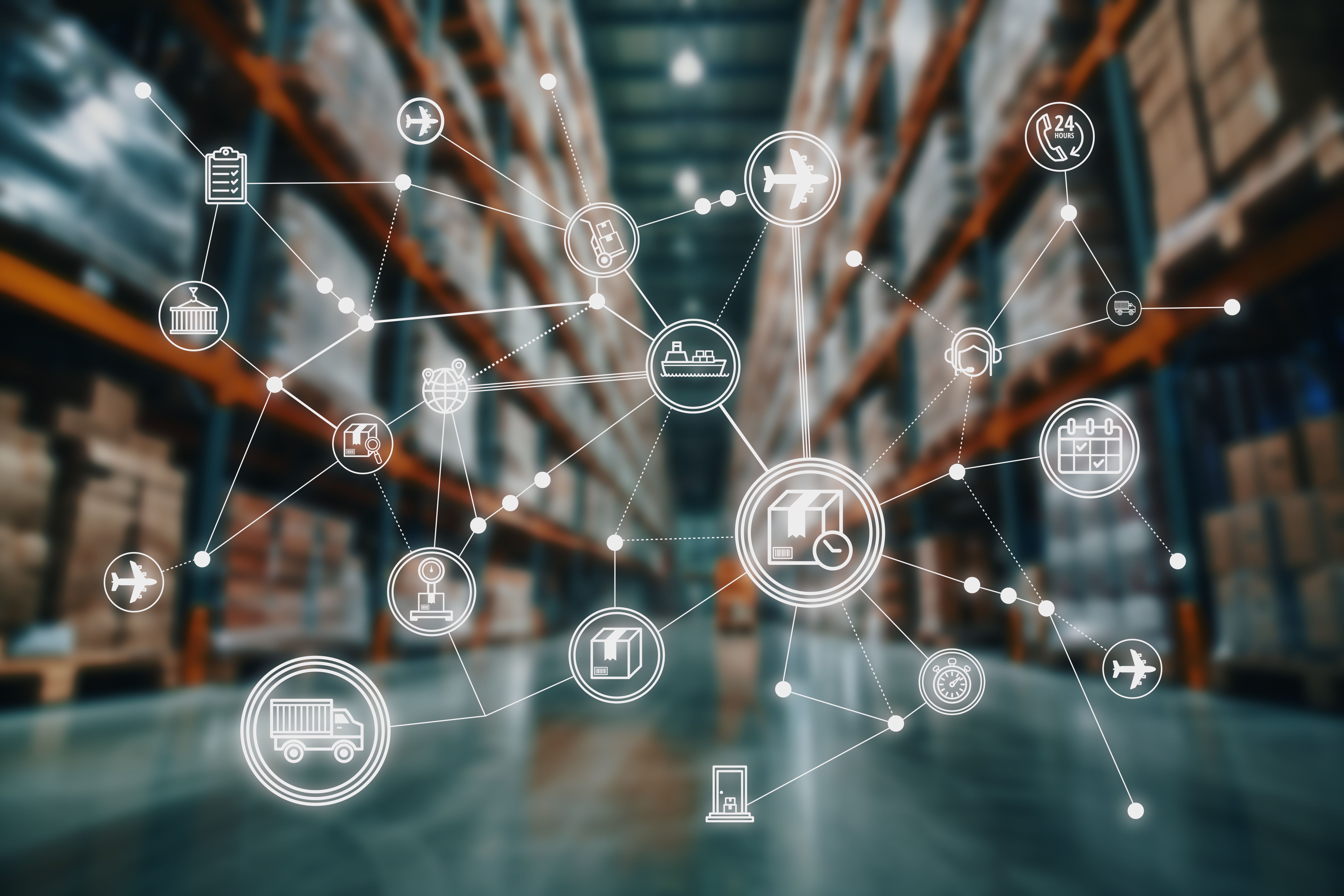
Improved efficiency means faster turnaround times, which can lead to increased customer loyalty and repeat sales. Additionally, a streamlined supply chain can provide a competitive edge by allowing businesses to respond quickly to market changes.
Implementing Technology in Freight Logistics
Technology plays a crucial role in modern freight logistics. Implementing technologies such as GPS tracking, automation, and data analytics can significantly enhance logistics operations. These technologies provide real-time visibility, enabling businesses to make informed decisions and respond swiftly to issues.
Automation can reduce human error and increase efficiency in warehousing and order fulfillment. Data analytics allows businesses to optimize routes, predict demand, and manage inventory more effectively.
Conclusion
Freight logistics is an integral part of the supply chain, and streamlining these processes can lead to substantial benefits for businesses. By understanding the components of logistics, implementing technology, and optimizing operations, companies can enhance efficiency, reduce costs, and improve customer satisfaction. Investing in a well-organized logistics strategy is essential for staying competitive in today's market.