
The Role of Technology in Modern Trucking Solutions


In the fast-paced world of logistics, technology plays a pivotal role in revolutionizing trucking solutions. The integration of advanced technologies has transformed how trucking companies operate, making them more efficient, sustainable, and customer-centric. From GPS tracking to automated vehicles, the industry is experiencing unprecedented growth and innovation.

GPS Tracking and Route Optimization
One of the most significant advancements in modern trucking is the implementation of GPS tracking systems. These systems allow companies to monitor the real-time location of their fleet. This not only enhances security but also enables more efficient route planning. By analyzing traffic patterns and road conditions, companies can optimize routes, reducing fuel consumption and delivery times.
Route optimization software further enhances these capabilities by suggesting the most efficient paths. This technology minimizes idle time and ensures timely deliveries, which is crucial for maintaining customer satisfaction. As a result, companies can significantly cut costs and reduce their carbon footprint.
Automation and Autonomous Trucks
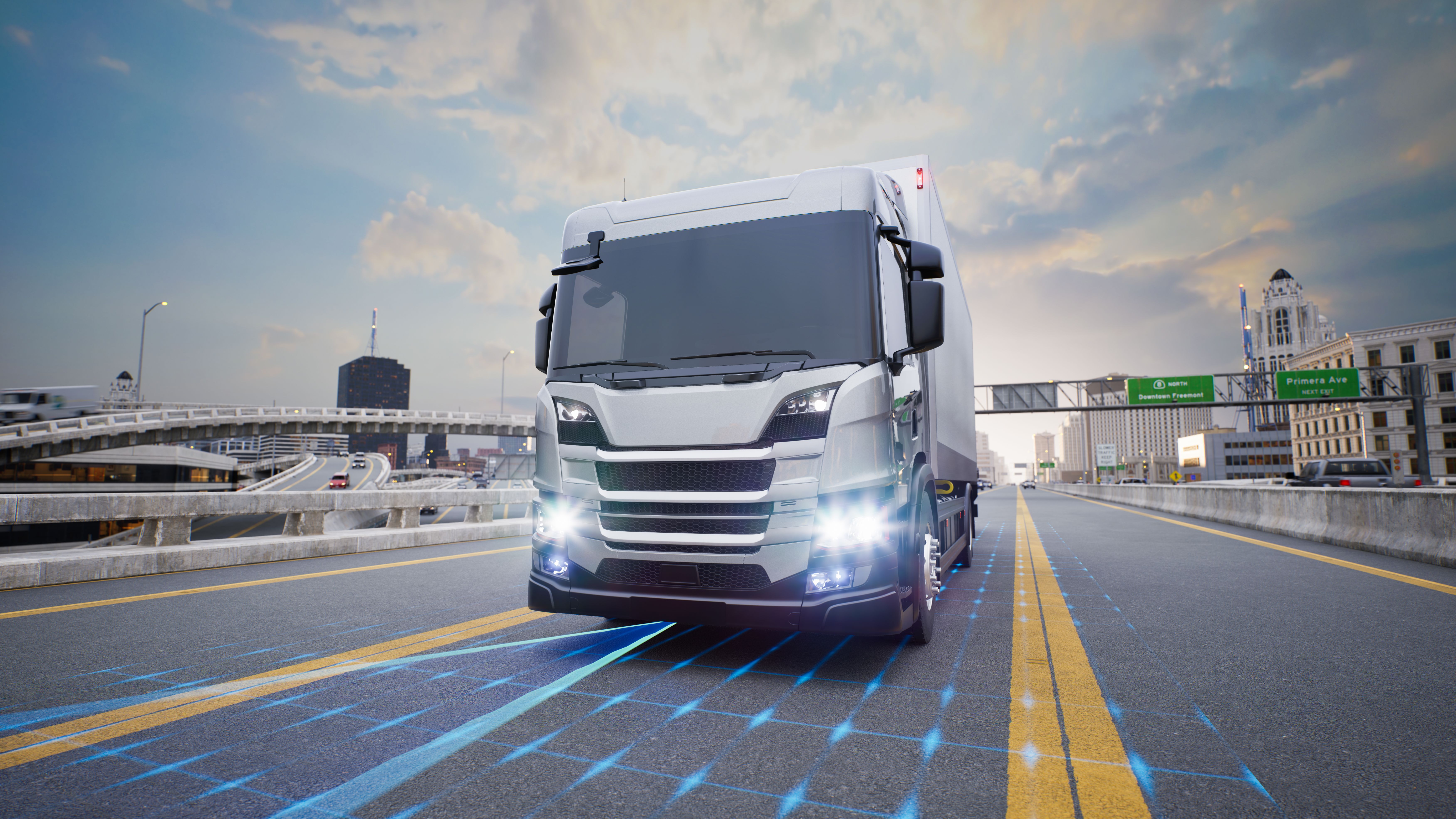
The advent of autonomous trucks is another groundbreaking development in the trucking industry. While the technology is still in its infancy, it promises to revolutionize long-haul trucking. Autonomous trucks can operate continuously without the need for rest breaks, increasing efficiency and reducing delivery times.
Moreover, automation in trucking isn’t limited to vehicles. Automated systems are also being used for loading and unloading cargo, improving accuracy and efficiency. These advancements are crucial in addressing the growing demand for faster and more reliable delivery services.
Telematics and Fleet Management
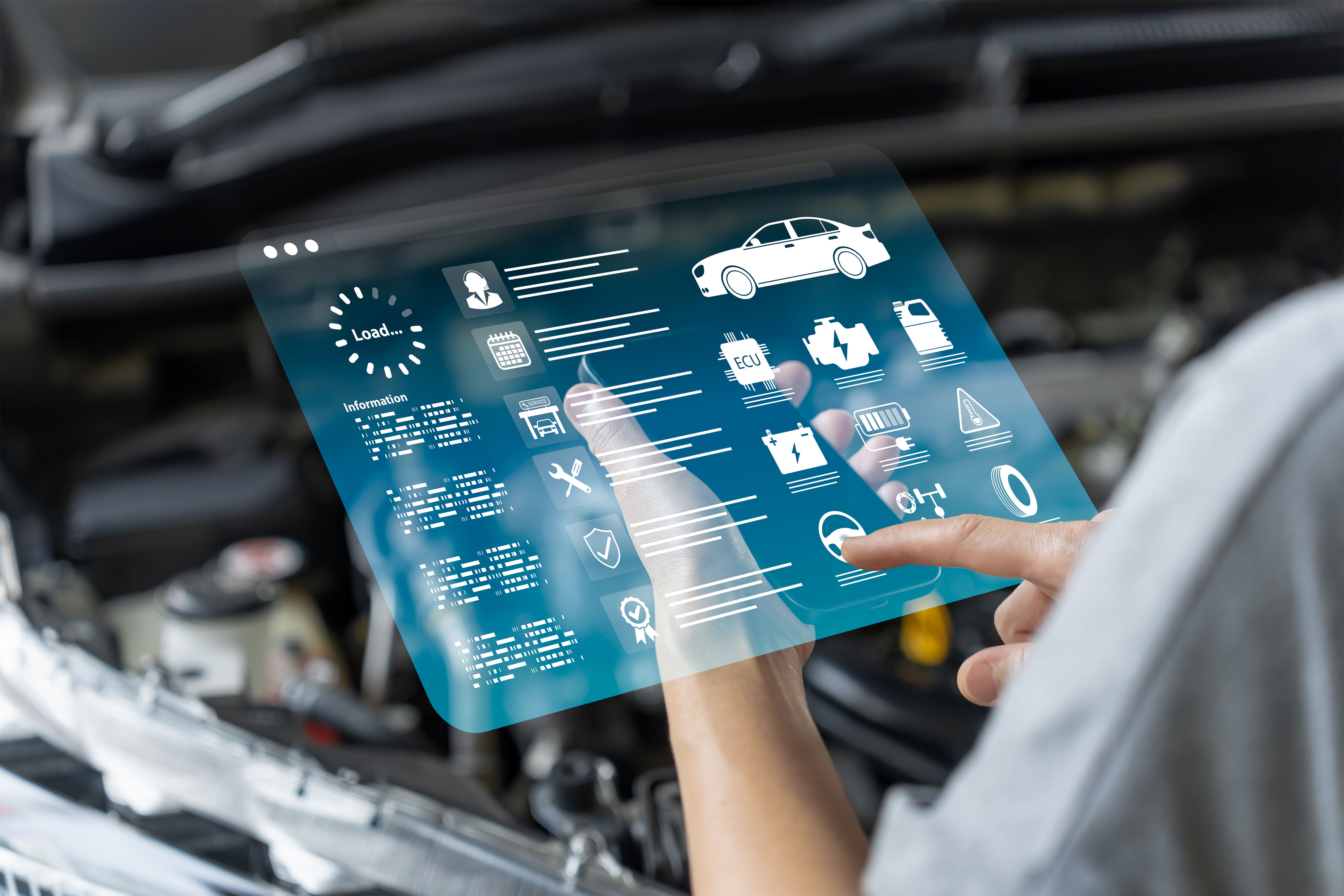
Telematics systems are integral to modern fleet management. These systems collect data on various aspects of vehicle performance, including fuel usage, maintenance needs, and driver behavior. By analyzing this data, companies can make informed decisions to enhance operational efficiency and safety.
For instance, telematics can identify patterns in fuel consumption, enabling companies to implement strategies to reduce fuel costs. Additionally, by monitoring driver behavior, companies can address safety concerns and provide targeted training to improve overall driver performance.
Enhanced Communication and Connectivity
Advancements in communication technology have also significantly impacted the trucking industry. With the use of mobile apps and cloud-based platforms, drivers and dispatchers can communicate seamlessly. This connectivity ensures that drivers have access to real-time information about road conditions, weather updates, and delivery instructions.
Furthermore, these platforms facilitate better coordination between different stakeholders, including suppliers, drivers, and customers. Improved communication leads to more efficient operations and enhances the overall customer experience.
Conclusion
In conclusion, technology is at the forefront of modern trucking solutions, driving efficiency, sustainability, and innovation. From GPS and telematics to automation and enhanced connectivity, these advancements are reshaping the industry. As technology continues to evolve, the future of trucking looks promising, with endless possibilities for further improvements and growth.