
The Role of Technology in Modern Trucking: Innovations and Benefits


Introduction to Technology in Trucking
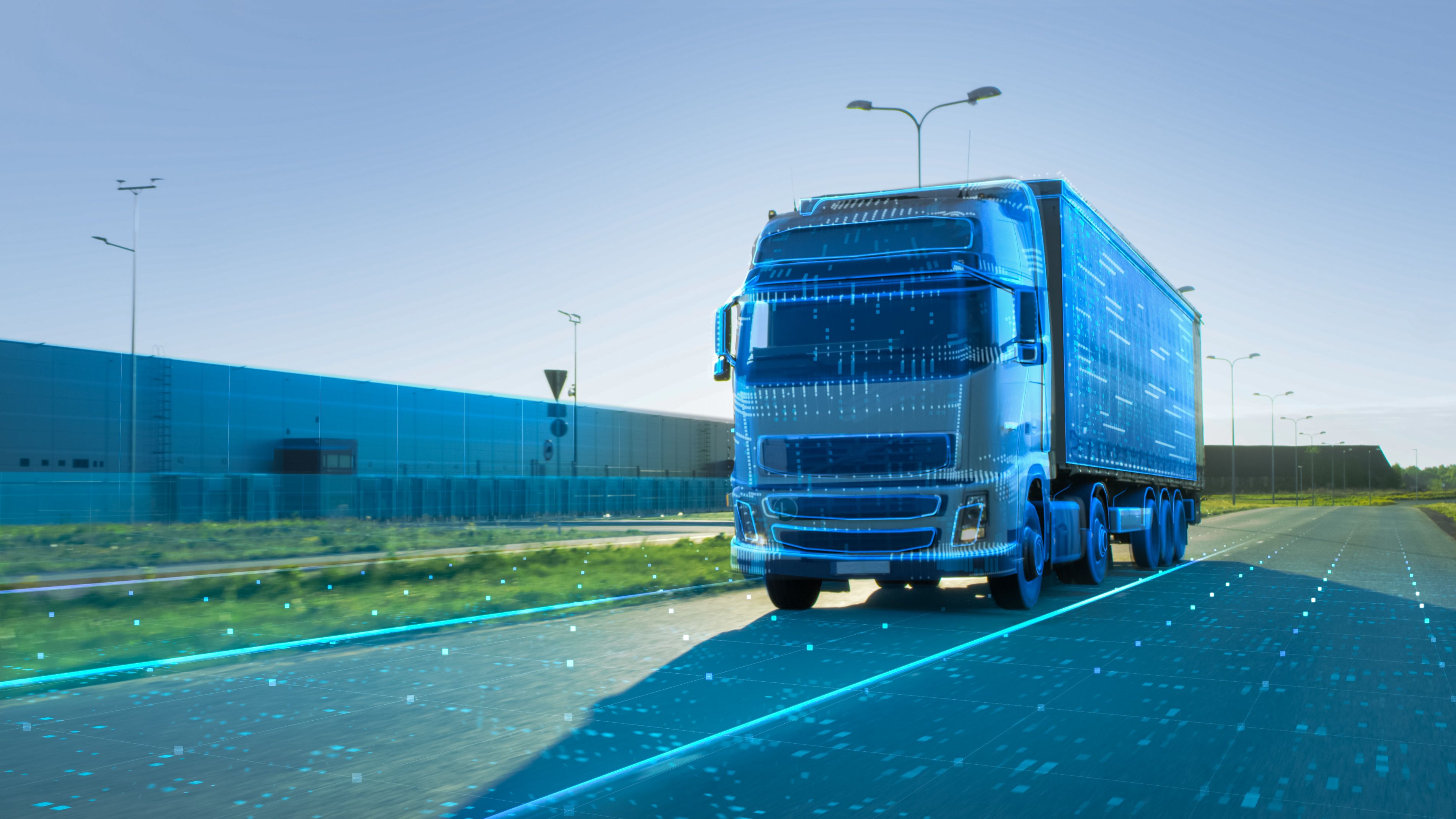
The trucking industry has undergone a significant transformation over the past few years, largely due to the integration of advanced technology. These technological innovations have not only improved the efficiency and safety of trucking operations but also revolutionized how the industry operates. From GPS tracking to autonomous vehicles, technology is paving the way for a smarter and more sustainable future in trucking.
One of the most impactful technological advancements in modern trucking is the use of telematics systems. These systems provide real-time data on vehicle location, driver behavior, fuel consumption, and engine diagnostics. This wealth of information allows fleet managers to make informed decisions that enhance productivity and reduce operational costs.
Safety Enhancements
Safety is a paramount concern in the trucking industry, and technology plays a critical role in enhancing it. Advanced Driver Assistance Systems (ADAS), which include features like lane departure warnings, adaptive cruise control, and collision avoidance systems, help prevent accidents and ensure safer driving conditions.
Moreover, video telematics and dashcams provide valuable insights into driver behavior and road conditions. These tools not only help in accident reconstruction but also in coaching drivers to improve their skills and maintain safety standards.

Fuel Efficiency and Environmental Impact
Reducing fuel consumption is a major focus for trucking companies, both for cost savings and environmental sustainability. Technology such as route optimization software enables drivers to take the most efficient paths, minimizing unnecessary fuel usage.
Additionally, innovations in engine technology and the introduction of electric and hybrid trucks are helping to decrease the industry's carbon footprint. These advancements contribute to a more sustainable future, aligning with global efforts to combat climate change.

Enhancing Driver Experience
Technology also plays a crucial role in improving the overall driver experience. In-cab communication systems, mobile apps, and digital platforms provide drivers with real-time updates on traffic conditions, weather forecasts, and delivery schedules. This connectivity ensures that drivers are informed and can make timely decisions on the road.
Furthermore, the development of autonomous trucks, although still in its nascent stages, promises to revolutionize driver roles and responsibilities. By reducing the strain of long hours and monotonous routes, these innovations could improve job satisfaction and reduce driver fatigue.
Conclusion: The Future of Trucking
The integration of technology in modern trucking has brought forth numerous innovations and benefits, redefining industry standards and practices. As technology continues to evolve, the trucking industry is set to become even more efficient, safe, and sustainable.
Embracing these technological advancements is crucial for companies looking to stay competitive in this rapidly changing landscape. By leveraging cutting-edge tools and systems, the trucking industry can continue to drive progress and innovation.