
The Importance of Understanding Regional Regulations in Trucking


Understanding Regional Regulations in Trucking
In the trucking industry, navigating the complex web of regional regulations is a critical component of maintaining a successful operation. These regulations can vary significantly from one region to another, affecting everything from the size and weight of vehicles to the specific routes that can be taken. Understanding these rules is not only important for legal compliance but also for optimizing logistics and reducing operational costs.
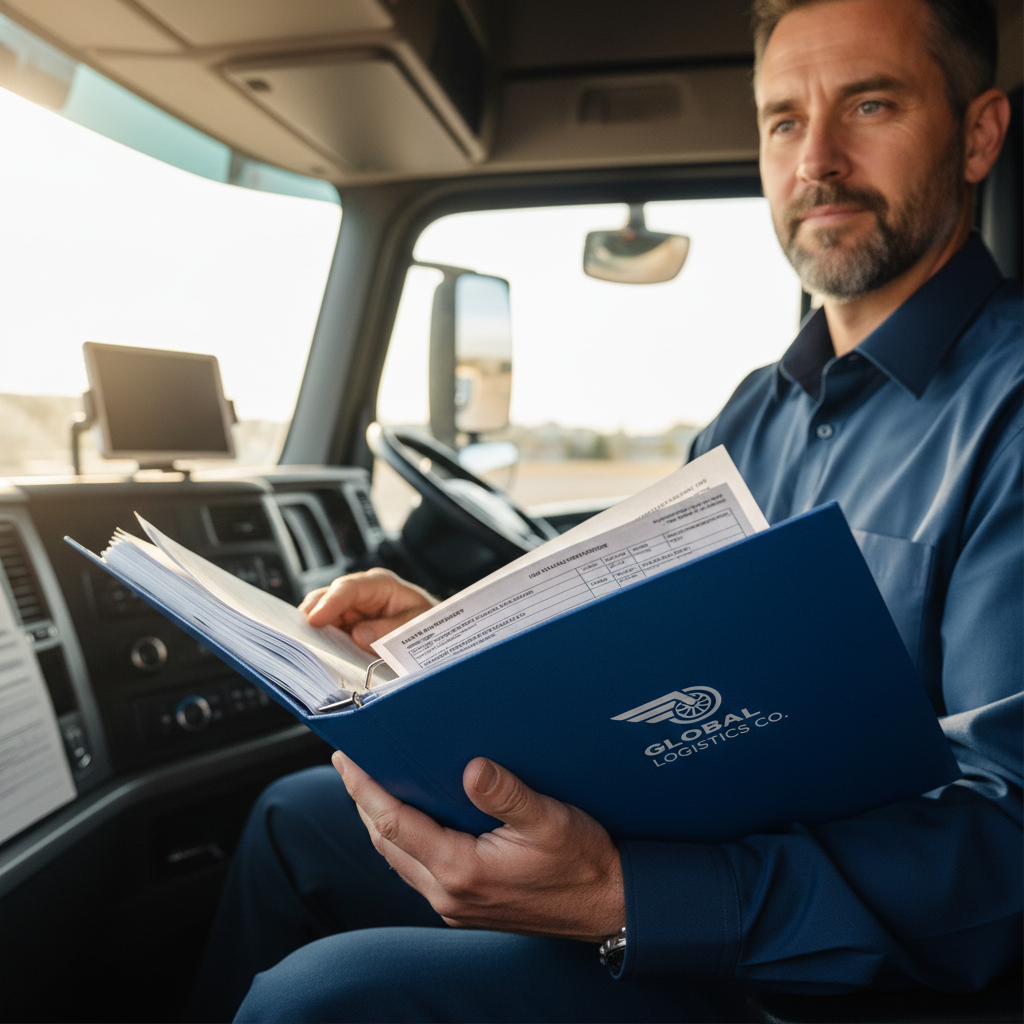
Why Regional Regulations Matter
Regional regulations are in place to ensure safety, efficiency, and environmental protection. They dictate the standards for vehicle maintenance, driver qualifications, and load limits, which can differ between states and countries. Failing to comply with these regulations can result in hefty fines and delays, impacting a company's bottom line. Therefore, staying informed and compliant is crucial for any trucking business.
Key Areas of Regulation
Some of the key areas where regional regulations play a significant role include:
- Weight Limits: Different regions have specific weight limits for trucks to prevent road damage.
- Vehicle Dimensions: Restrictions on the height, width, and length of trucks are common to ensure safe passage through tunnels and bridges.
- Route Restrictions: Certain routes may have restrictions based on environmental concerns or infrastructure limitations.

The Impact on Logistics
Understanding regional regulations can greatly affect logistics planning. Companies need to ensure that their routes comply with all local laws to avoid unnecessary detours and fines. This involves meticulous planning and sometimes even investing in technology that helps navigate these complexities. Efficient logistics planning can save time and money, making it a crucial aspect of trucking operations.
Staying Informed and Compliant
Continuous education and training are vital for staying compliant with regional regulations. Many organizations provide resources and training programs for drivers and logistics managers to keep them updated on the latest rules and regulations. Additionally, leveraging technology such as GPS systems and compliance software can aid in tracking regulatory changes and ensuring compliance.
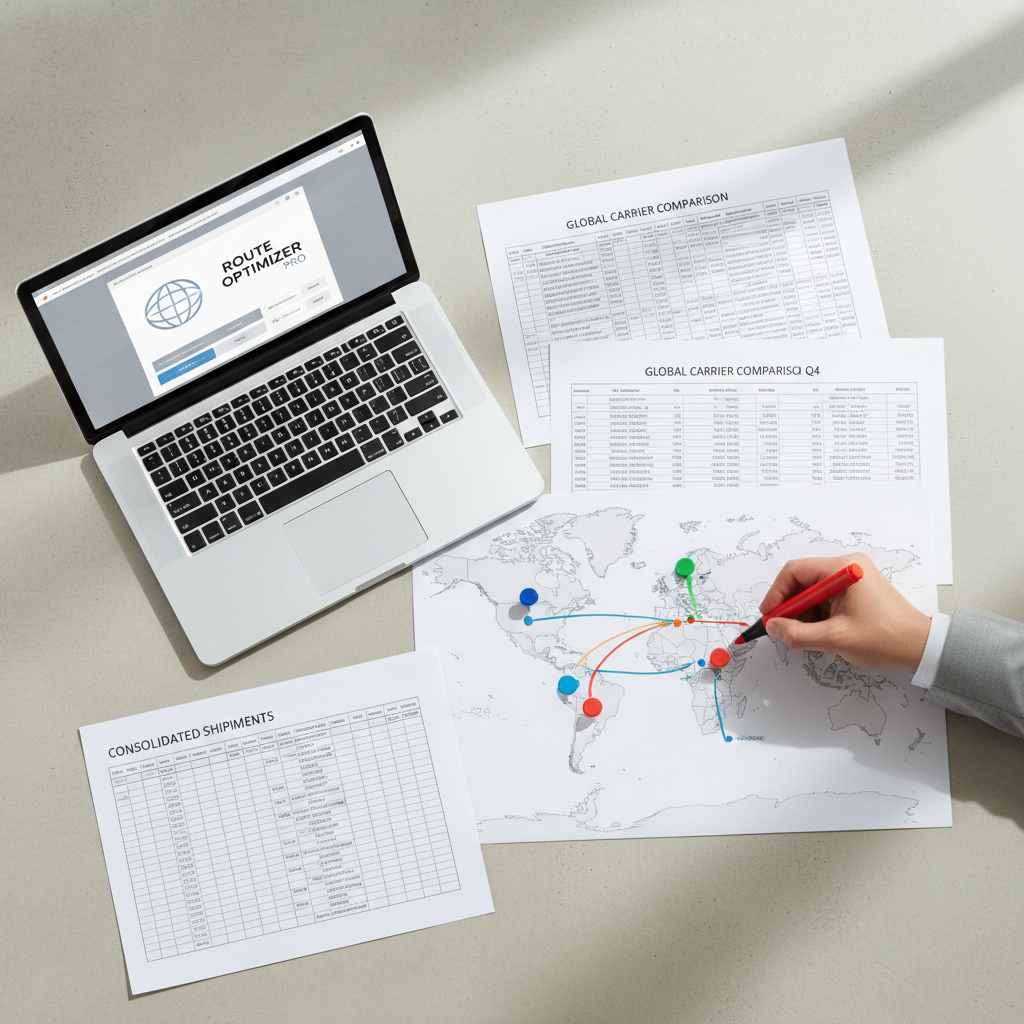
Technology and Compliance
Today's technology offers several tools that can help trucking companies remain compliant with regional regulations. GPS and route optimization software can provide real-time updates on road conditions and restrictions. Moreover, electronic logging devices (ELDs) ensure that drivers adhere to hours-of-service regulations, reducing the risk of violations.
Benefits of Compliance
Complying with regional regulations not only helps avoid penalties but also enhances a company's reputation. Companies known for their compliance and reliability are more likely to attract and retain clients. Additionally, compliance contributes to safer roads and a more sustainable environment, aligning with broader societal goals.
In conclusion, understanding and adhering to regional regulations in trucking is essential. It requires a proactive approach, combining education, technology, and strategic planning to navigate the complex regulatory landscape effectively. By doing so, trucking companies can ensure legal compliance, optimize operations, and contribute positively to the community.