
The Impact of Seasonal Weather on Trucking Logistics


Understanding the Challenge
The trucking industry is the backbone of supply chain logistics, ensuring goods are transported efficiently across regions. However, seasonal weather changes can significantly impact operations, creating challenges that require strategic planning and adaptation. From icy roads in winter to scorching heat in summer, each season presents unique obstacles that trucking companies must navigate.
Weather-related disruptions can lead to delays, increased fuel consumption, and even safety hazards. Understanding these impacts is crucial for logistics managers who aim to maintain efficiency and safety throughout the year.
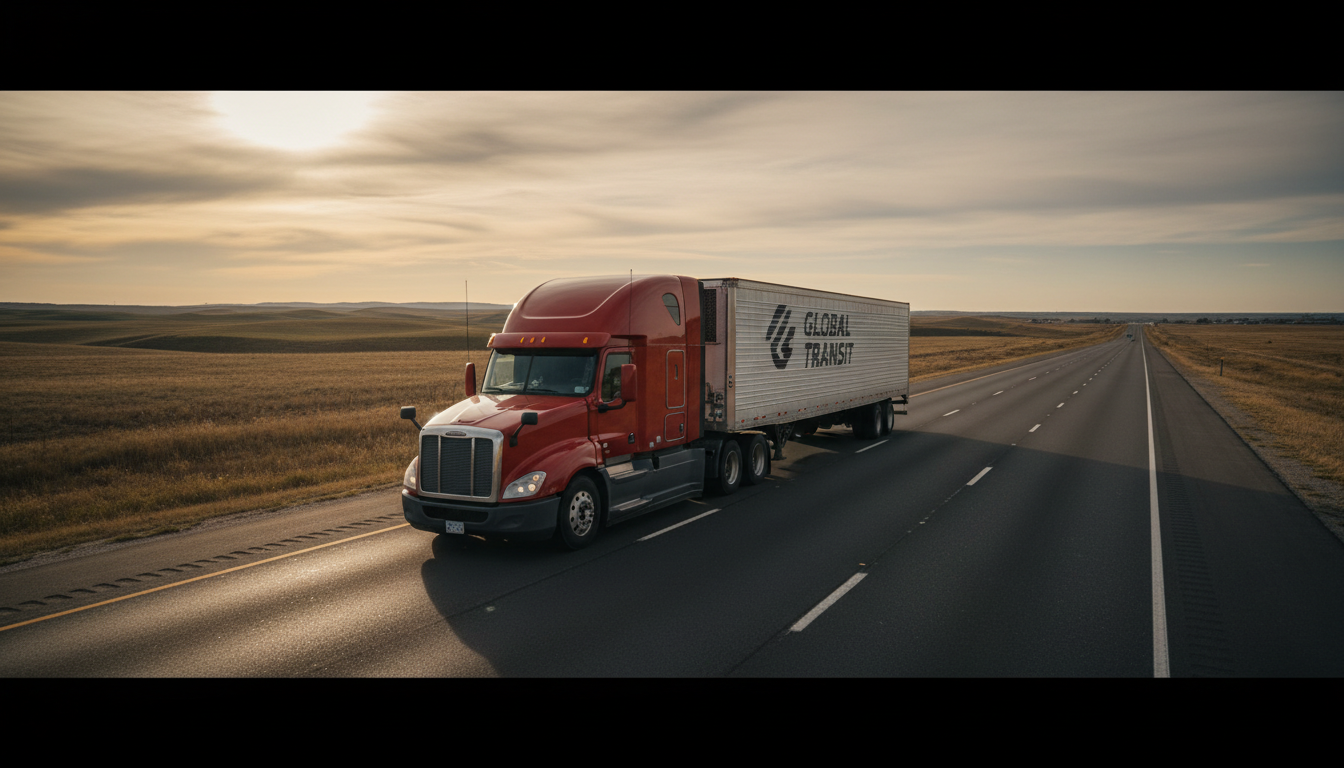
Winter Weather Woes
Winter is perhaps the most challenging season for trucking logistics. Snow and ice can make roads treacherous, leading to a higher risk of accidents. Trucking companies often need to invest in specialized equipment, such as snow chains and heated mirrors, to ensure safe travel.
Furthermore, winter weather can cause significant delays. Icy conditions often require slower driving speeds and extra caution, impacting delivery schedules. Additionally, heavy snowfall can lead to road closures, forcing drivers to find alternate routes, which can be time-consuming and costly.

Adapting to Winter Challenges
To mitigate these issues, logistics companies often rely on real-time weather monitoring and GPS tracking. By staying informed about weather conditions, drivers can make informed decisions about routes and schedules. Preemptive measures, such as route adjustments and increased lead times, can help minimize disruptions.
Summer Heat and Its Effects
While winter poses its own set of challenges, summer heat can also impact trucking logistics. High temperatures can lead to engine overheating and increased tire wear, affecting vehicle performance and safety.
Heat can also impact drivers directly, leading to fatigue and decreased concentration. Ensuring that vehicles are equipped with proper cooling systems and that drivers stay hydrated is essential for maintaining safety and efficiency during the summer months.
Strategies for Summer Efficiency
Regular maintenance checks are crucial during the summer to prevent breakdowns and ensure vehicles are in optimal condition. Additionally, scheduling deliveries during cooler parts of the day can help reduce the strain on both vehicles and drivers.
Spring and Fall: Transitional Challenges
Spring and fall present their own unique challenges as transitional seasons. In spring, heavy rains can lead to flooding and slippery roads, while fall brings increased risks of fog and early frost in some regions.
These conditions require flexibility and quick adaptation from logistics managers. Training drivers to handle varying weather conditions and investing in weather-resistant equipment can help mitigate risks during these seasons.

Embracing Technology
Emerging technologies, such as predictive analytics and IoT devices, offer new ways to tackle seasonal challenges in trucking logistics. These tools can provide valuable insights into weather patterns, route optimization, and vehicle maintenance needs, allowing for more proactive and informed decision-making.
By leveraging technology and maintaining a proactive approach, trucking companies can better manage the impacts of seasonal weather, ensuring smoother operations and improved safety year-round.