
How to Prepare Your Business for Freight Peak Seasons


Understanding Freight Peak Seasons
Freight peak seasons are critical times for businesses involved in logistics and shipping. These periods usually coincide with major shopping events and holidays, such as Black Friday and the lead-up to Christmas. During these times, the volume of goods being transported increases significantly, impacting supply chains worldwide.
To successfully navigate these busy periods, businesses must plan ahead and implement effective strategies. Proper preparation can help avoid delays, reduce costs, and ensure customer satisfaction.
Forecasting Demand
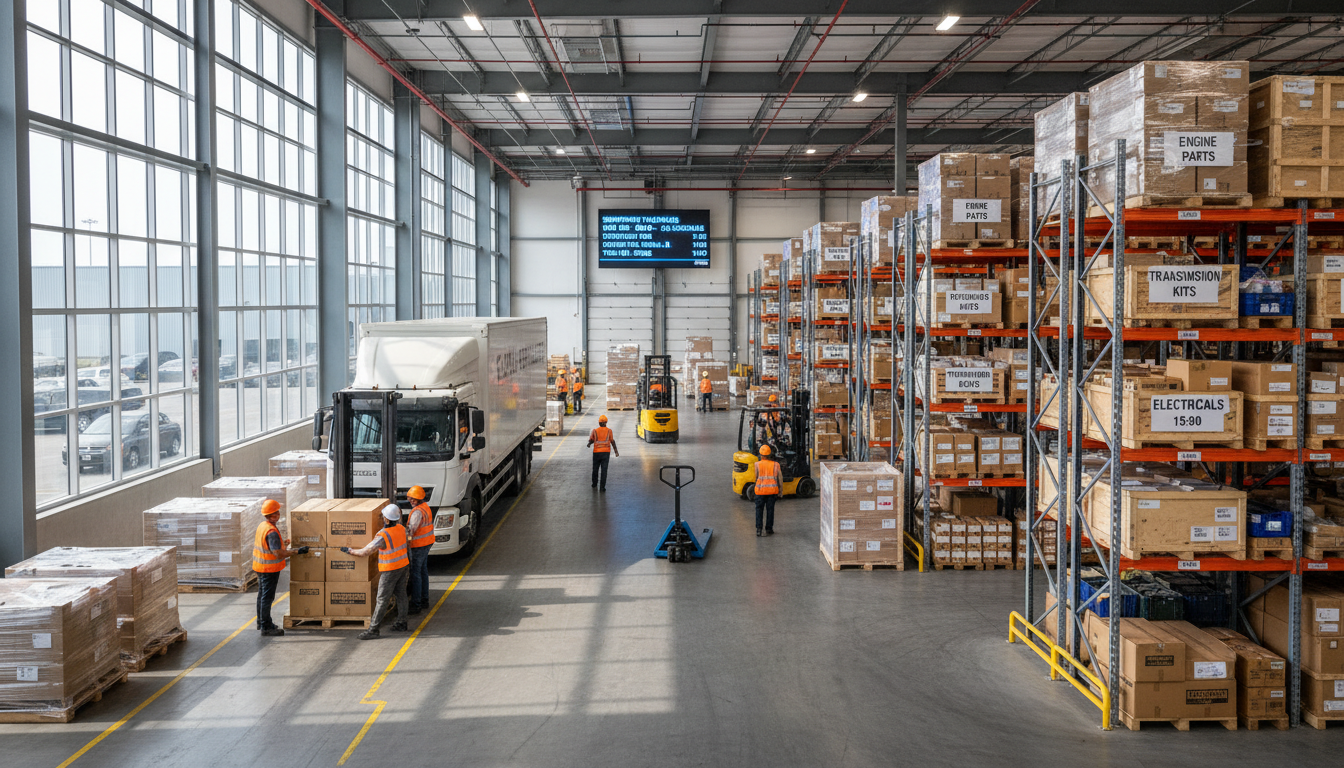
Accurate demand forecasting is essential for managing peak seasons effectively. By analyzing past trends and current market conditions, businesses can predict the volume of goods they will need to ship. This information helps in making informed decisions about inventory levels and shipping schedules.
Utilizing data analytics tools can provide valuable insights into customer buying patterns and help adjust strategies in real-time. This proactive approach reduces the risk of overstocking or running out of products during peak times.
Optimizing Inventory Management
Efficient inventory management is crucial during peak seasons. Businesses should aim to strike a balance between having enough stock to meet demand and avoiding excess inventory. Consider implementing automated inventory systems to track stock levels and trigger reordering when necessary.

Strengthening Supplier Relationships
Strong relationships with suppliers can be a game-changer during freight peak seasons. Regular communication ensures that suppliers are aware of your needs and can prepare accordingly. Establishing agreements for priority service during these times can also be beneficial.
Consider diversifying your supplier base to reduce dependency on a single source. This strategy can mitigate risks associated with supply chain disruptions.
Enhancing Transportation Strategies
During peak seasons, transportation networks can become congested. To avoid delays, businesses should explore multiple shipping options, including air, sea, and land. Collaborating with reliable logistics partners can ensure that shipments are delivered on time.

Improving Customer Communication
Transparent communication with customers is essential during peak seasons. Keep them informed about potential delays and provide tracking information for their orders. This transparency builds trust and enhances the customer experience.
Consider offering flexible shipping options, such as expedited delivery, to accommodate urgent orders and improve customer satisfaction.
Preparing for Contingencies
Despite careful planning, unexpected challenges can arise during peak seasons. Having a contingency plan in place can help businesses respond quickly to disruptions. This plan should include alternative suppliers and shipping routes, as well as backup communication strategies.
Regularly reviewing and updating contingency plans ensures that your business remains resilient in the face of unforeseen events.
Leveraging Technology
Technology plays a vital role in managing freight peak seasons. Implementing advanced software solutions can streamline operations, improve efficiency, and enhance decision-making. Consider investing in systems that offer real-time tracking, data analytics, and automated reporting.

By proactively preparing for freight peak seasons, businesses can optimize their supply chains, improve customer satisfaction, and ultimately boost their bottom line. The key lies in effective planning, strategic partnerships, and the smart use of technology.