
How Technology is Revolutionizing the Trucking Industry


Introduction to Technological Advancements
The trucking industry, a backbone of global commerce, is undergoing a significant transformation. Technology is at the forefront of this evolution, impacting everything from logistics to vehicle safety. As these advancements continue to unfold, they promise to make the industry more efficient, sustainable, and safer for everyone involved.
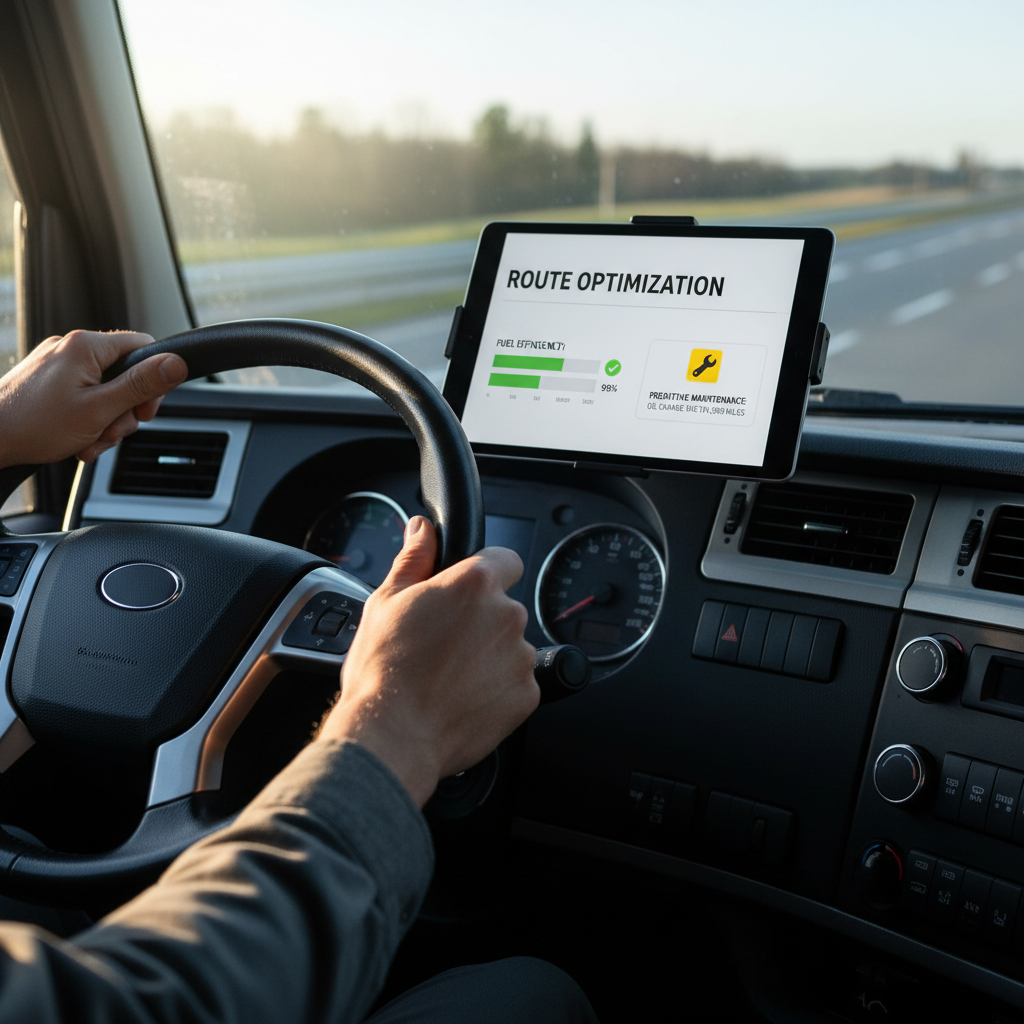
Enhancing Efficiency with Telematics
Telematics is revolutionizing fleet management by providing real-time data on vehicle location, speed, and fuel consumption. This technology allows companies to optimize routes, reduce idle times, and improve fuel efficiency. By leveraging telematics, businesses can achieve substantial cost savings and enhance their operational efficiency.
Real-Time Tracking
The ability to track trucks in real-time offers numerous benefits. Fleet managers can monitor driver behavior, ensuring compliance with safety regulations and improving overall performance. This tracking capability also allows for quick response times in case of unexpected delays or emergencies, enhancing customer satisfaction.

Improving Safety with Advanced Driver-Assistance Systems (ADAS)
Safety is a paramount concern in the trucking industry. Advanced Driver-Assistance Systems (ADAS) are designed to reduce accidents and improve the safety of both drivers and cargo. These systems include features such as lane departure warnings, automatic braking, and blind-spot detection.
Reducing Accidents
ADAS technologies significantly decrease the likelihood of human error, which is a leading cause of accidents. By providing drivers with alerts and taking automatic corrective actions when necessary, these systems are helping to create safer roads for everyone.

Sustainability through Electric Trucks
The push towards sustainability is also reshaping the trucking industry. Electric trucks are becoming more viable as battery technology improves, offering a cleaner and more environmentally friendly alternative to traditional diesel engines. This shift not only reduces emissions but also aligns with the growing demand for sustainable business practices.
Challenges and Opportunities
While the transition to electric trucks presents challenges, such as the need for charging infrastructure, it also offers significant opportunities. Companies that adopt electric vehicles can benefit from reduced fuel costs and government incentives, positioning themselves as leaders in a more sustainable future.

Conclusion: The Road Ahead
As technology continues to evolve, the trucking industry must adapt to these changes to remain competitive. From improving efficiency and safety to embracing sustainability, the innovations transforming the trucking sector are paving the way for a more advanced and responsible industry. The road ahead is filled with opportunities, and those who embrace these technologies will undoubtedly lead the way.