
How Seasonal Changes Impact Trucking in the United States


The Impact of Seasonal Changes on Trucking
The trucking industry is a vital component of the United States economy, responsible for transporting goods across the country. However, this industry faces unique challenges as the seasons change. Understanding these impacts can help businesses and drivers prepare and adapt effectively.
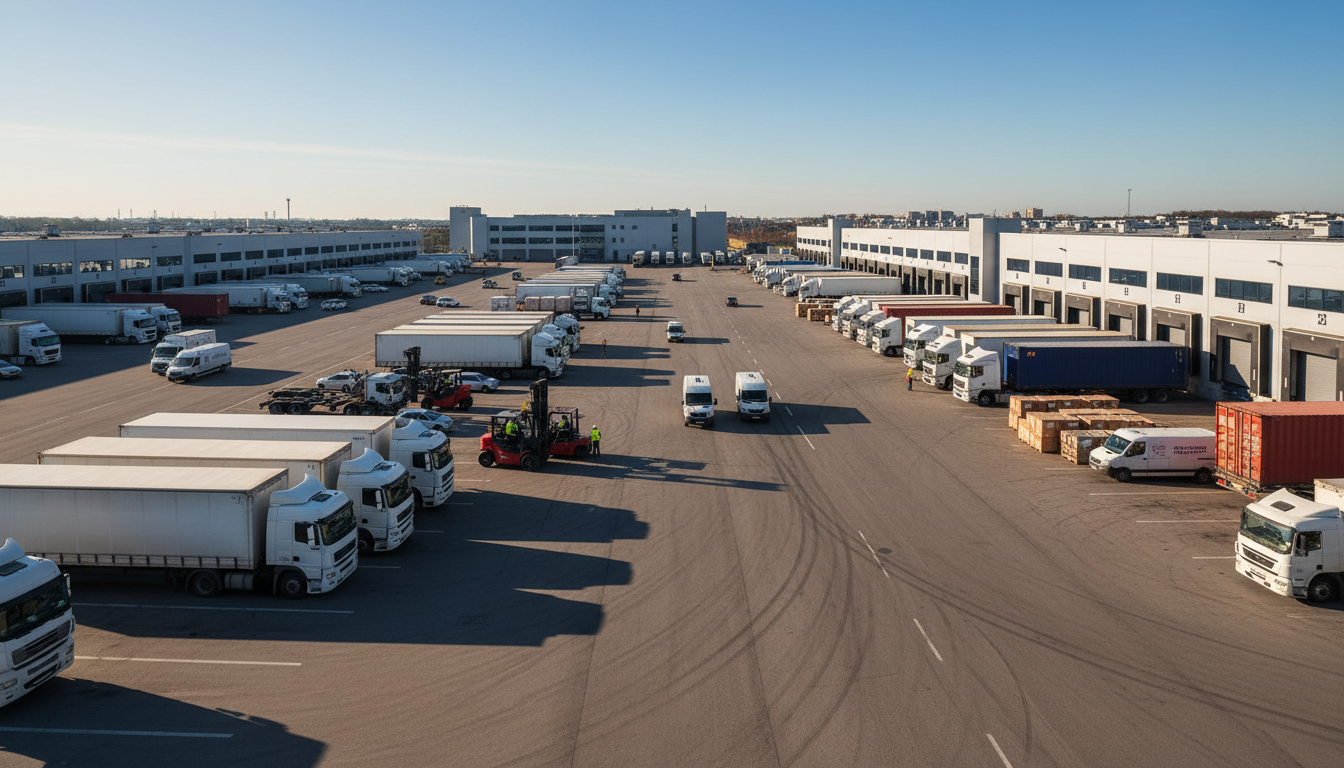
Winter Challenges
Winter is perhaps the most challenging season for trucking. Snow and ice can create hazardous driving conditions, leading to delays and increased risk of accidents. Drivers must be skilled in handling slippery roads and aware of the potential for black ice. Additionally, cold temperatures can affect vehicle performance, requiring regular maintenance and checks.
Many regions implement road restrictions during winter months to prevent damage to roads from heavy trucks, which can lead to rerouting and longer travel times. It's crucial for trucking companies to plan ahead and stay informed about these restrictions to minimize disruptions.
Spring Thaw and Road Conditions
As winter transitions into spring, the thaw can lead to soft, muddy roads. This period, often referred to as "spring thaw," can be difficult for heavy vehicles. Roads that were stable during the frozen months may become impassable, especially in rural areas. Truckers need to be cautious and may need to find alternative routes.
Moreover, spring is a time for road maintenance and construction. Increased roadwork can lead to detours and delays, affecting delivery schedules. Staying updated on construction zones is essential for efficient route planning.
Summer and Heat-Related Challenges
Summer brings its own set of challenges. High temperatures can lead to engine overheating and increased tire wear. Truckers need to ensure their vehicles are well-maintained and equipped to handle the heat. Regular checks on cooling systems and tire pressure can prevent breakdowns.
Additionally, summer often sees an increase in road traffic due to vacations and tourism, which can lead to congestion and longer travel times. Planning trips during off-peak hours may help in avoiding delays.

Fall and Unpredictable Weather
Fall is characterized by unpredictable weather, with sudden rainstorms and early frost. Wet leaves on roads can be as slippery as ice, posing a risk for trucks. Drivers must be vigilant and adjust their driving habits accordingly.
Furthermore, shorter daylight hours mean more driving in the dark, which can be challenging. Ensuring that all lights are functioning properly and that drivers are well-rested is vital for safety during this season.
Preparing for Seasonal Changes
Preparation is key to managing the impacts of seasonal changes on trucking. Trucking companies can benefit from investing in weather forecasting tools and GPS systems that provide real-time updates on road conditions and traffic. This technology can help in making informed decisions and planning efficient routes.
- Regular vehicle maintenance and seasonal inspections
- Training programs focused on seasonal driving skills
- Effective communication with drivers about weather and road alerts
By implementing these strategies, the trucking industry can mitigate the challenges posed by seasonal changes and ensure the safe and timely delivery of goods across the country.