
Case Study: How Freight Time Logistics Improved Delivery Times


Introduction
In today's fast-paced world, efficient logistics are crucial for businesses to thrive. Freight Time Logistics, a leading transportation company, faced challenges in meeting delivery deadlines. This case study explores how they successfully improved their delivery times.
Identifying the Challenges
Freight Time Logistics struggled with delays caused by outdated routing processes and inefficient loading procedures. These issues led to dissatisfied customers and increased operational costs. Recognizing the need for change, the company embarked on a mission to enhance their logistics operations.
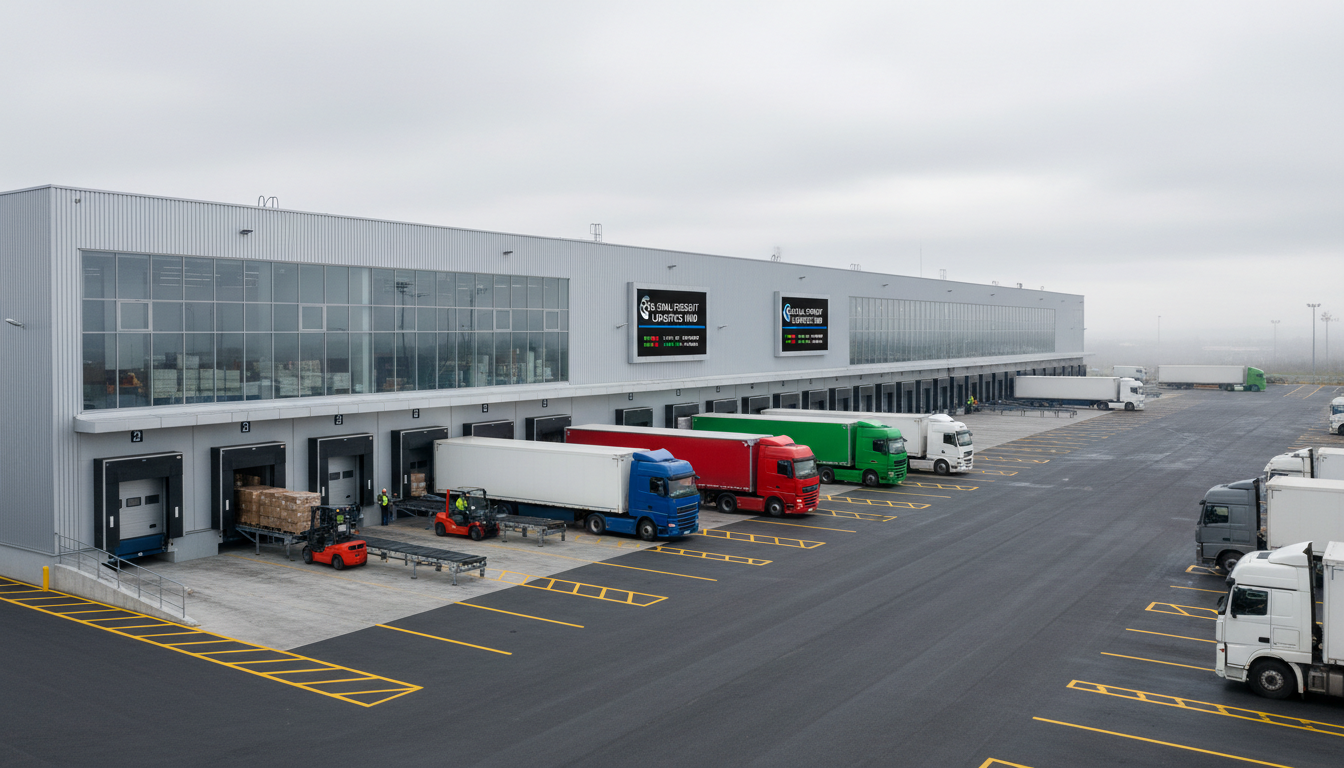
Analyzing the Existing Processes
The first step was a thorough analysis of their current systems. By examining data from delivery routes, vehicle loading patterns, and customer feedback, Freight Time Logistics identified key areas for improvement. The insights gained were critical in formulating a strategic plan.
Implementing Technology Solutions
To streamline operations, Freight Time Logistics invested in cutting-edge technology. They deployed GPS tracking systems to monitor vehicle movements in real-time. This allowed for dynamic route adjustments, reducing travel time and fuel consumption.
Optimizing Loading Procedures
In addition to route optimization, the company revamped their loading procedures. By implementing automated loading systems and training staff on best practices, they reduced loading times significantly. This optimization was crucial in minimizing delays.

Training and Development
Employee training played a significant role in the company's transformation. Freight Time Logistics conducted workshops focused on new technologies and efficient operational practices. This empowered their workforce to adapt quickly to the changes implemented.
Monitoring and Evaluation
Continuous monitoring and evaluation were essential to ensure sustained improvement. Freight Time Logistics established performance metrics to measure success and identify areas for further enhancement. Regular feedback loops allowed for real-time adjustments.

Results and Outcomes
The strategic changes bore fruit, with Freight Time Logistics reporting a remarkable improvement in delivery times. Customer satisfaction increased, leading to repeat business and positive referrals. Operational costs decreased, boosting the company's bottom line.
Lessons Learned
This case study highlights the importance of embracing technology and continuous improvement in logistics. By focusing on efficiency and investing in their workforce, Freight Time Logistics set a benchmark for the industry.
Conclusion
Freight Time Logistics' journey underscores the impact of strategic innovation in logistics. Their success story serves as an inspiration for other companies facing similar challenges, proving that with the right approach, significant improvements can be achieved.